ECOMAR Initiative:
Republic of Belarus

ECOMAR Premium Finest Fish emblem

Why ECOMAR is building in Belarus

Belarus is a country of lakes, rivers and forest, with plenty of clean fresh water and very little land-based aquaculture using it. That gap is the reason we are here.

The plan is a farm that earns its keep and leaves the region better off than it found it. That means fish raised close to where it is eaten instead of imported frozen from far away, at prices ordinary households can pay. It means bringing in technology that local producers can learn from rather than keeping it behind a fence.

It also means giving something back. Several native species are under pressure in the wild, and a controlled hatchery can support restocking instead of competing with what is left. Around the farm the project should create skilled jobs and modern infrastructure.

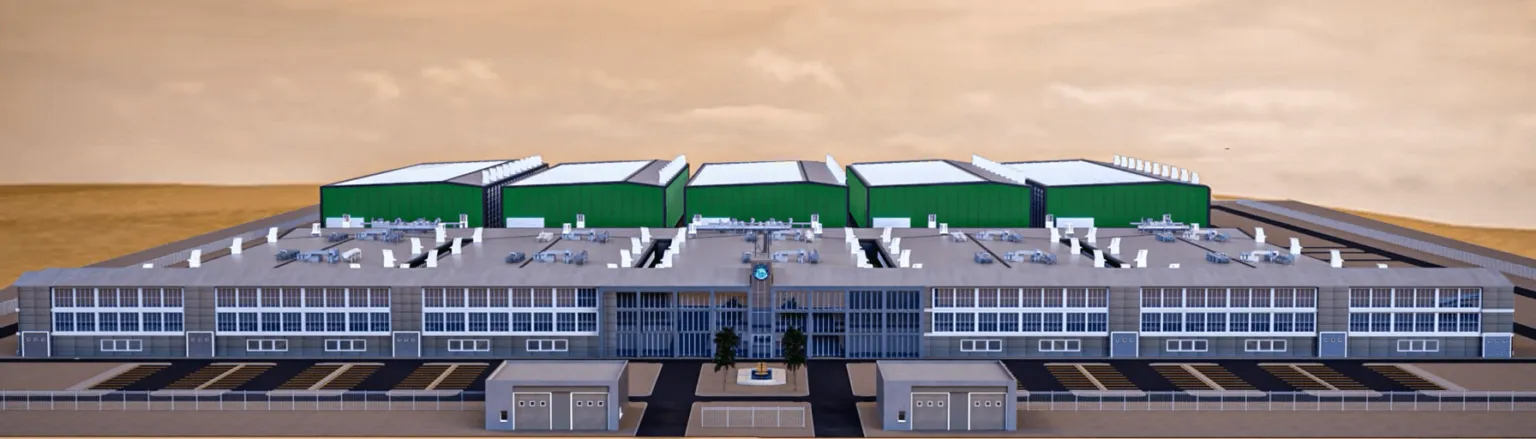
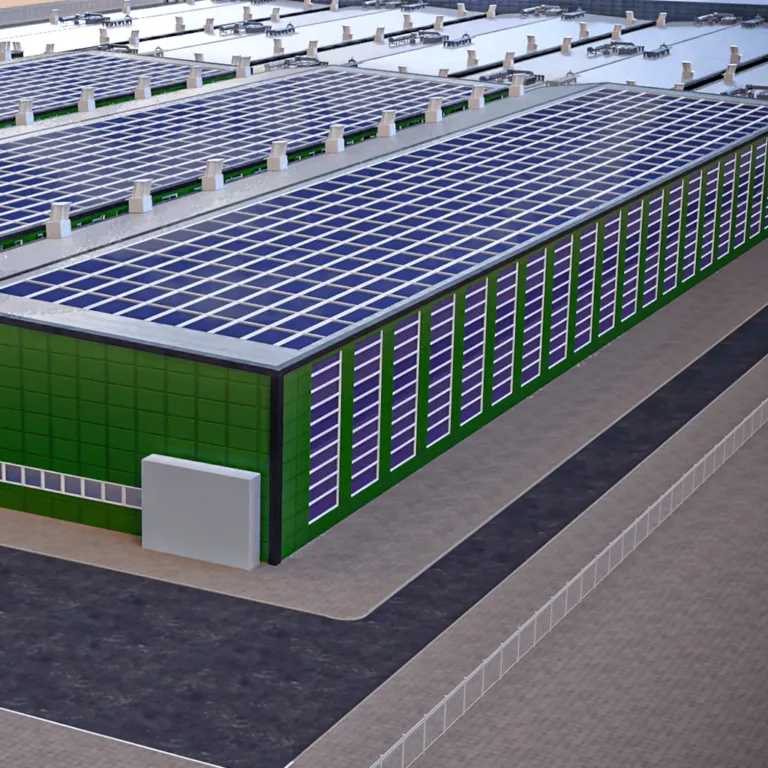
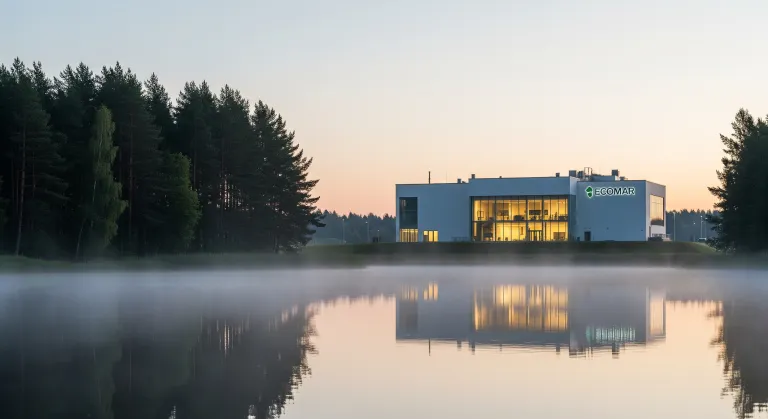
Rendering of the planned facility, front view
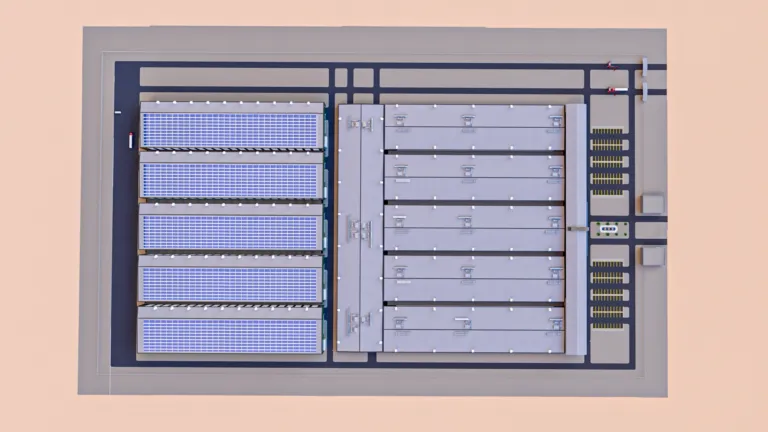
Top view rendering of the planned facility
Administration Building with Offices
Building for Aeroponics, a Diverse Range of Fruits, Vegetables
Fish Processing Building with Complete Processing Facilities for Dispatch
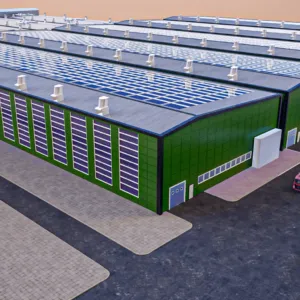
RAS Fish Farm with 5 Buildings, Each with 120 Pools
ECOMAR - Research Laboratory
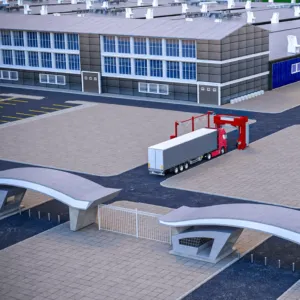
Truck entrance with washing station
Main entrance with parking lots
Top view rendering of the planned facility
Size of the Aeroponics Building: 50m Width x 200m Length
Size of the Processing Building: 50m Width x 250m Length
Size of the RAS Building: 50m Width x 200m Length
Size of the Administration Building: 25m Width x 250m Length; 2 Floors
  • Size of the Administration Building: 25m Width x 250m Length; 2 Floors
  • Size of the Aeroponics Building: 50m Width x 200m Length
  • Size of the Processing Building: 50m Width x 250m Length
  • Size of the RAS Building: 50m Width x 200m Length
Rendering of the planned facility, left side view
Administration Building with Offices
Building for Aeroponics, a Diverse Range of Fruits, Vegetables
Fish Processing Building with Complete Processing Facilities for Dispatch
RAS Fish Farm with 5 Buildings, Each with 120 Pools
ECOMAR - Research Laboratory
Truck entrance with washing station
Main entrance with parking lots
Rendering of the planned facility, right side view
Administration Building with Offices
Building for Aeroponics, a Diverse Range of Fruits, Vegetables
Fish Processing Building with Complete Processing Facilities for Dispatch
RAS Fish Farm with 5 Buildings, Each with 120 Pools
ECOMAR - Research Laboratory
Truck entrance with washing station
Main entrance with parking lots
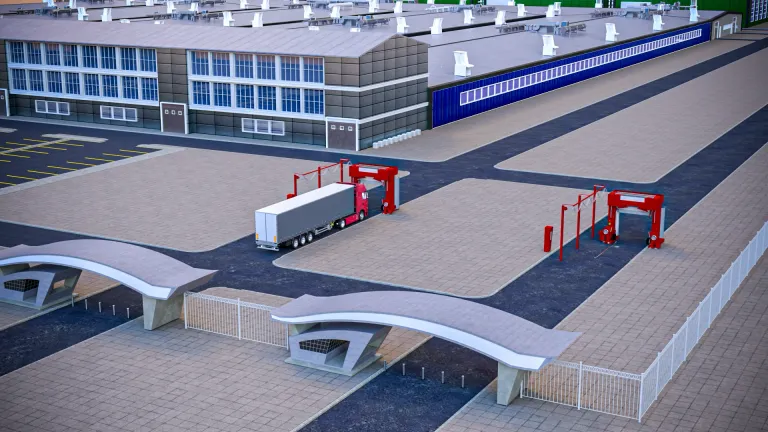
Rendering of the truck entrance of the planned facility
Administration Building with Offices
Truck / Van Wash Facility
RAS Fish Farm with 5 Buildings, Each with 120 Pools
Truck entrance with washing station
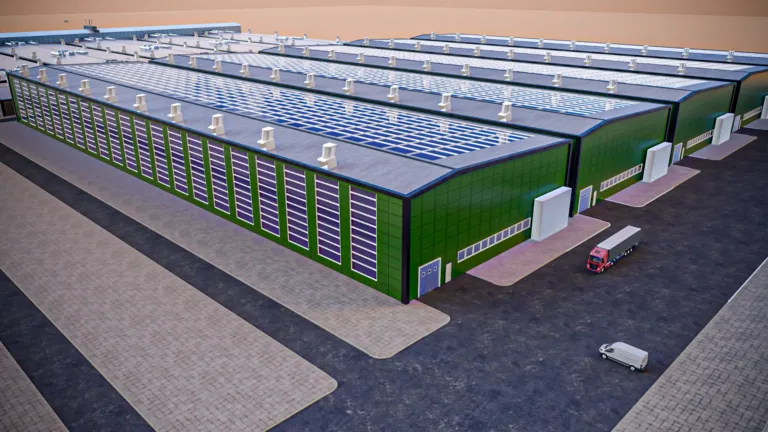
Rendering of the aeroponics halls of the planned facility
Administration Building with Offices
Building for Aeroponics, a Diverse Range of Fruits, Vegetables
RAS Fish Farm with 5 Buildings, Each with 120 Pools

How the technology works, and what it buys us

Three things separate a modern land-based farm from a conventional one. None of them is magic, all of them are engineering.

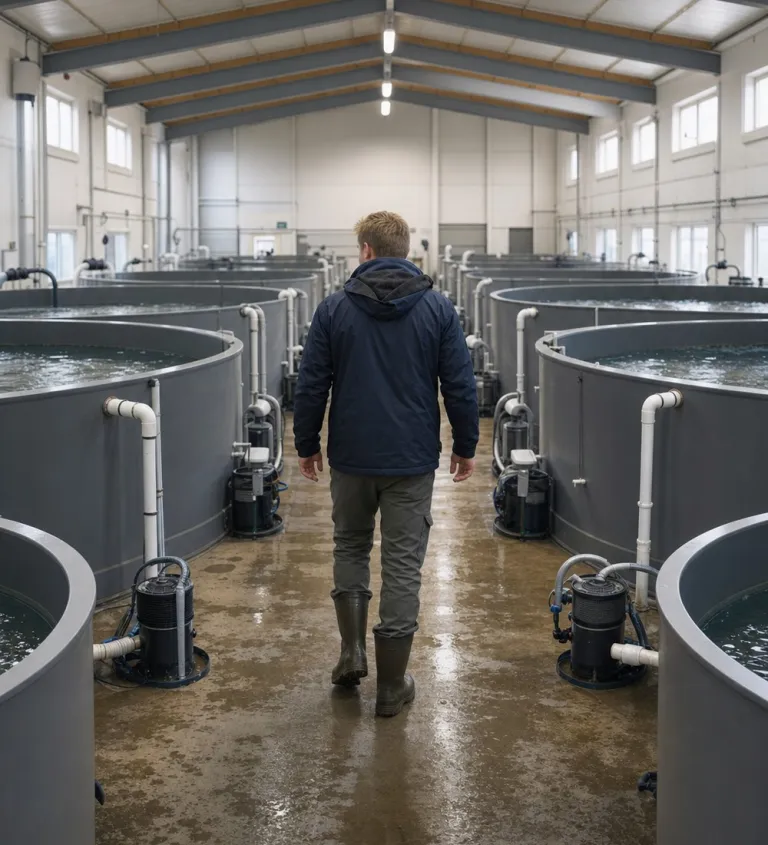
The first is that every tank runs on its own water loop. A problem in one tank stays in that tank, which in a shared system is exactly what does not happen. Separate loops also let us hold different species at different temperatures in the same building, which is what makes a mixed programme possible at all.

The second is energy. Belarusian winters are long, so heating is the cost that decides whether the farm works. Heat pumps and combined heat and power units are planned to carry it, water quality is measured continuously, and the recirculation returns most of the water to the tanks rather than to the river.

The third is that the project should be useful beyond our own fence. There is very little land-based capacity in the country. Whatever works here is worth passing on rather than keeping to ourselves.

Production hall with individual water loopsOperators at the control cabinets

Diverse Aquaculture Offerings

ECOMAR is set to become a pioneer in Belarusian aquaculture, cultivating an extensive array of fish species categorized by their market value and ecological importance. We will take pride in our sophisticated selection, ensuring a rich variety that caters to both domestic and export market demands.

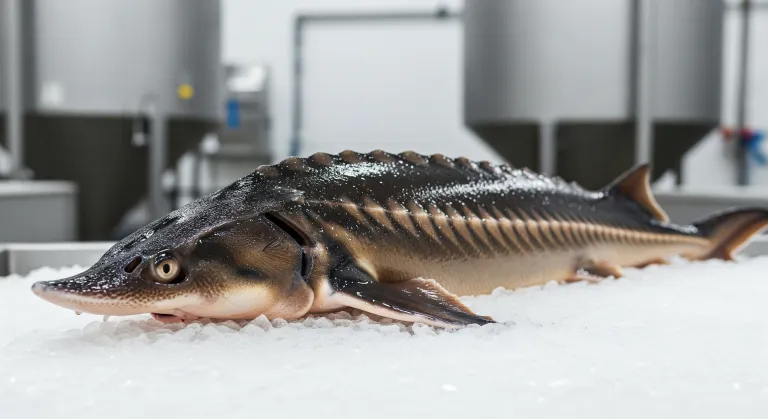
Sturgeons

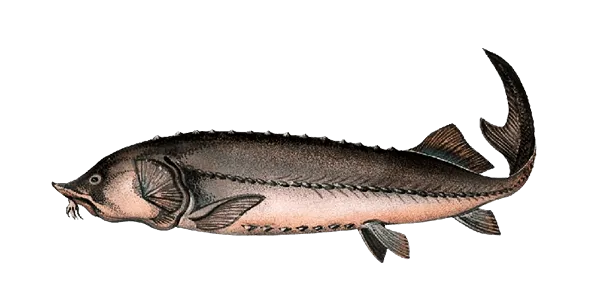
Beluga (Huso huso)

Beluga

Huso huso

  • Flavor: Delicate, buttery, and mild, prized for gourmet dishes.
  • Nutritional Value: Rich in omega-3 fatty acids, protein, and essential minerals.
  • Caviar: Soft texture, large eggs, and subtle nutty taste, considered the finest in the world.
  • Usage: Often served raw as sashimi, in high-end recipes, or as smoked delicacy.
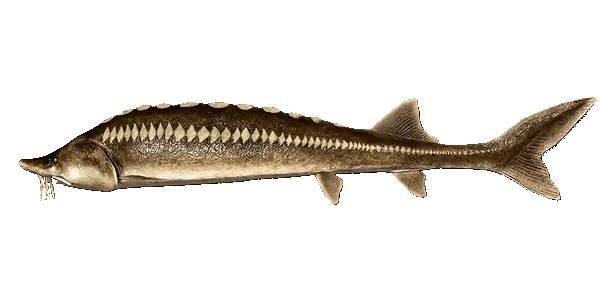
Kaluga (Huso dauricus)

Kaluga

Huso dauricus

  • Flavor: Rich, creamy, and slightly sweet, ideal for gourmet preparations.
  • Nutritional Value: High in omega-3 fatty acids, proteins, and vitamins.
  • Caviar: Firm texture, medium to large eggs, with a rich, buttery taste comparable to Beluga.
  • Usage: Popular in fine dining, served as caviar or smoked, and pairs well with light sauces.
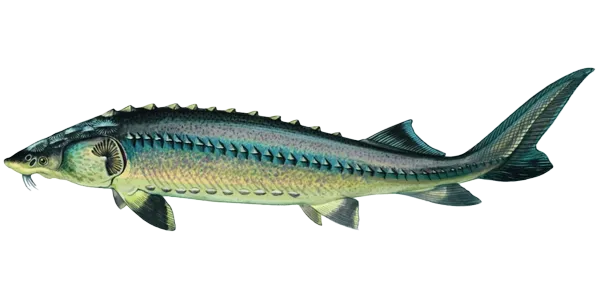
Siberian Sturgeon (Acipenser baerii)

Siberian Sturgeon

Acipenser baerii

  • Flavor: Mild, slightly earthy, with a firm texture, suitable for versatile culinary uses.
  • Nutritional Value: Packed with omega-3 fatty acids, proteins, and essential nutrients.
  • Caviar: Smaller eggs with a refined, nutty flavor, offering a more affordable gourmet option.
  • Usage: Commonly used in smoked products, grilled dishes, or as caviar in mid-range fine dining.
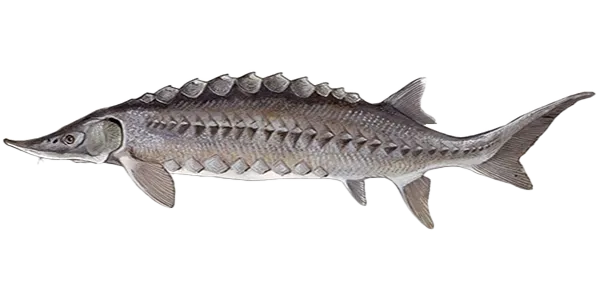
Persian sturgeon (Acipenser persicus)

Persian sturgeon

Acipenser persicus

  • Flavor: Delicate and buttery, with a slightly nutty aftertaste, perfect for refined dishes.
  • Nutritional Value: High in omega-3 fatty acids, proteins, and essential minerals.
  • Caviar: Medium to large eggs with a creamy, rich flavor, often compared to Beluga caviar.
  • Usage: Favored for premium caviar production and gourmet dishes, often served raw or lightly smoked.

Salmonids and Graylings

Masu (Oncorhynchus masou)

Masu

Oncorhynchus masou

  • Flavor: Mild and tender, with a slightly sweet taste, suitable for sushi and grilling.
  • Nutritional Value: Rich in omega-3 fatty acids, vitamins D and B12, and high-quality protein.
  • Usage: Popular for sashimi, smoked dishes, and light grilling.
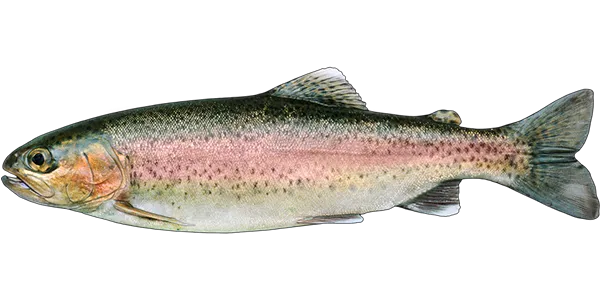
Rainbow Trout (Oncorhynchus mykiss)

Rainbow Trout

Oncorhynchus mykiss

  • Flavor: Delicate and mild, with a slightly nutty and buttery texture.
  • Nutritional Value: High in omega-3 fatty acids, proteins, and essential minerals.
  • Usage: Versatile, used for baking, grilling, or smoking.
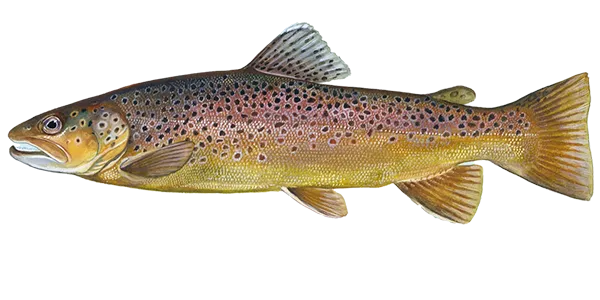
Brown Trout (Salmo trutta)

Brown Trout

Salmo trutta

  • Flavor: Rich, earthy flavor with firm, flaky texture.
  • Nutritional Value: Good source of omega-3 fatty acids, vitamin D, and high-quality protein.
  • Usage: Commonly grilled, pan-fried, or smoked.
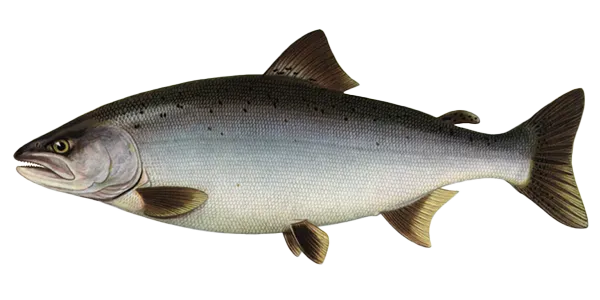
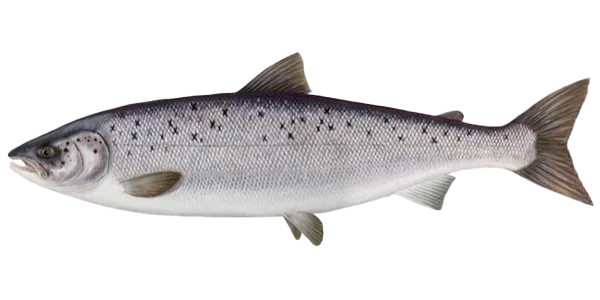
Lake Salmon (Salmo salar sebago)

Lake Salmon

Salmo salar sebago

  • Flavor: Delicate, mild, and slightly sweet, similar to Atlantic salmon.
  • Nutritional Value: High in omega-3s, proteins, and essential vitamins.
  • Usage: Suitable for grilling, smoking, or use in gourmet recipes.
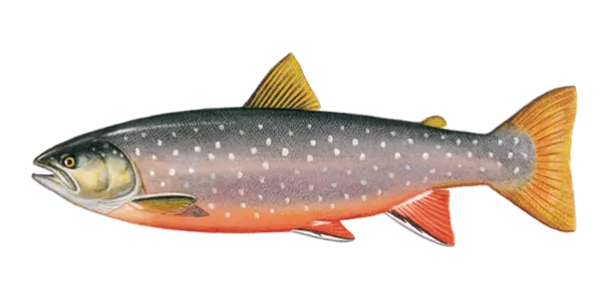
Arctic Char (Salvelinus alpinus)

Arctic Char

Salvelinus alpinus

  • Flavor: Mild and clean, with a rich buttery texture.
  • Nutritional Value: Packed with omega-3 fatty acids, proteins, and antioxidants.
  • Usage: Ideal for grilling, roasting, or sushi dishes.
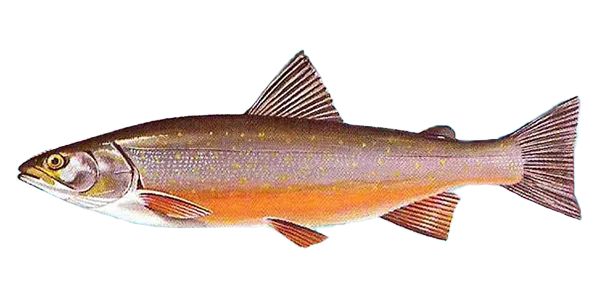
Great Lake Char (Salvelinus umbla)

Great Lake Char

Salvelinus umbla

  • Flavor: Mild and delicate with a subtle, nutty finish.
  • Nutritional Value: High in omega-3 fatty acids and vitamins A and D.
  • Usage: Often smoked, grilled, or prepared as a delicacy in fine dining.
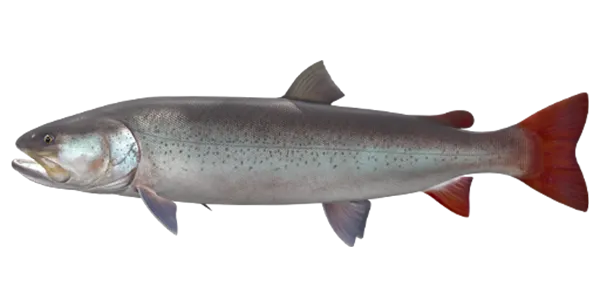
Siberian Taimen (Hucho taimen)

Siberian Taimen

Hucho taimen

  • Flavor: Rich and meaty, with a slightly gamey undertone.
  • Nutritional Value: High in omega-3s, protein, and essential minerals.
  • Usage: Best grilled, roasted, or used in hearty soups.
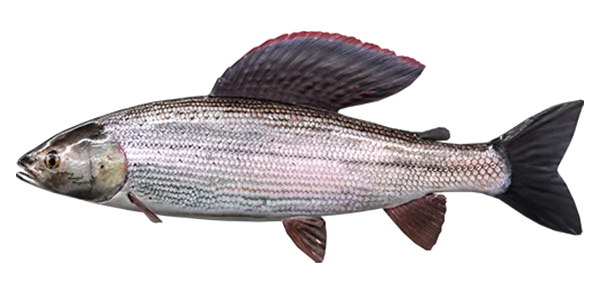
Grayling (Thymallus thymallus)

Grayling

Thymallus thymallus

  • Flavor: Delicate and slightly sweet, with a fine, flaky texture.
  • Nutritional Value: High in omega-3 fatty acids and lean protein.
  • Usage: Suitable for frying, baking, or smoking.

Whitefish Species

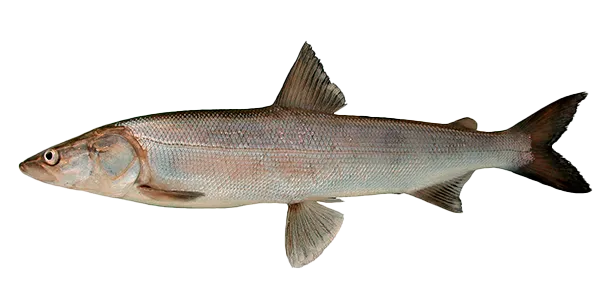
Nelma (Stenodus nelma)

Nelma

Stenodus nelma

  • Flavor: Rich and buttery, with a delicate, slightly sweet taste.
  • Nutritional Value: High in omega-3 fatty acids, proteins, and vitamins.
  • Usage: Ideal for smoking, frying, or as a delicacy in gourmet dishes.
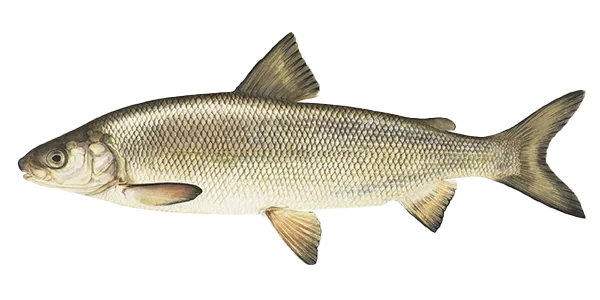
Common Whitefish (Coregonus lavaretus)

Common Whitefish

Coregonus lavaretus

  • Flavor: Mild, slightly nutty, with a fine, flaky texture.
  • Nutritional Value: Packed with omega-3 fatty acids and lean protein.
  • Usage: Versatile; great for smoking, grilling, or soups.
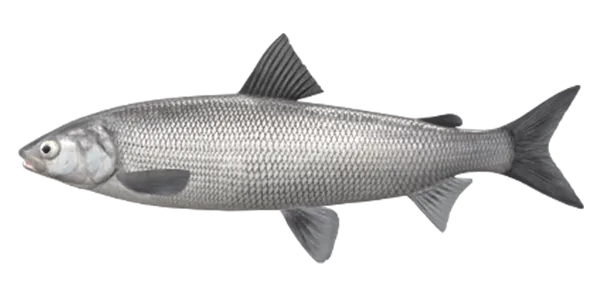
Muksun (Coregonus muksun)

Muksun

Coregonus muksun

  • Flavor: Rich and creamy, with a slightly sweet, nutty undertone.
  • Nutritional Value: High in omega-3 fatty acids and essential nutrients.
  • Usage: Commonly smoked, salted, or used in traditional dishes.
Baikal Omul (Coregonus migratorius)

Baikal Omul

Coregonus migratorius

  • Flavor: Delicate and slightly smoky, with a rich, buttery texture.
  • Nutritional Value: Excellent source of omega-3 fatty acids and lean protein.
  • Usage: Typically smoked, grilled, or used in local Siberian cuisine.

Perch-like Species

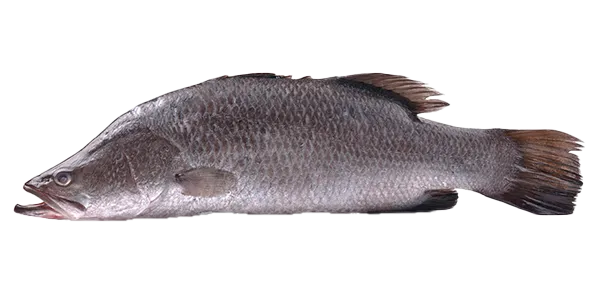
Barramundi (Lates calcarifer)

Barramundi

Lates calcarifer

  • Flavor: Mild, buttery, and slightly sweet, with a moist, flaky texture.
  • Nutritional Value: High in omega-3 fatty acids, protein, and low in fat.
  • Usage: Perfect for grilling, baking, or pan-frying; widely used in Asian and Australian cuisines.
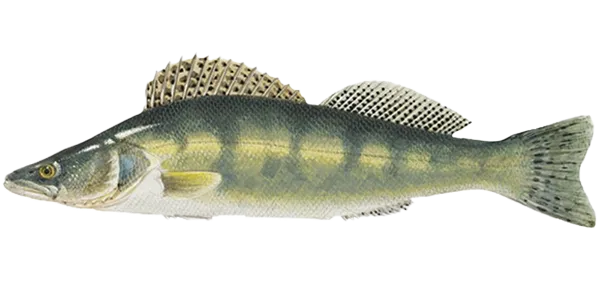
Zander (Sander lucioperca)

Zander

Sander lucioperca

  • Flavor: Mild, delicate, and slightly sweet, with firm, white flesh.
  • Nutritional Value: Low in fat, high in protein, and a good source of vitamins and minerals.
  • Usage: Ideal for baking, frying, or steaming; commonly used in European cuisine.

COD FAMILY & Flatfish

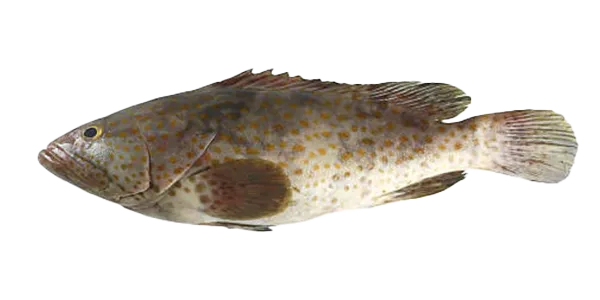
Hamour (Epinephelus coioides)

Hamour

Epinephelus coioides

  • Flavor: Rich and mildly sweet, with a firm and flaky texture.
  • Nutritional Value: A good source of lean protein, vitamins B6 and B12, and rich in omega-3 fatty acids.
  • Usage: Ideal for grilling, steaming, or curry-based dishes; highly popular in Middle Eastern and Southeast Asian cuisines.
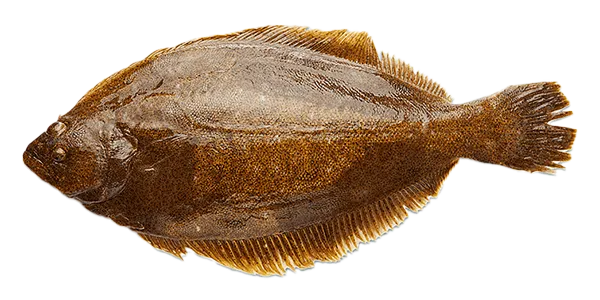
Olive Flounder (Paralichthys olivaceus)

Olive Flounder

Paralichthys olivaceus

  • Flavor: Mild, slightly sweet, and delicate, with a soft, flaky texture.
  • Nutritional Value: Rich in protein, low in fat, and a good source of omega-3 fatty acids.
  • Usage: Commonly used in sashimi, grilling, steaming, or frying; popular in East Asian cuisines.

Catfish & Eel Species

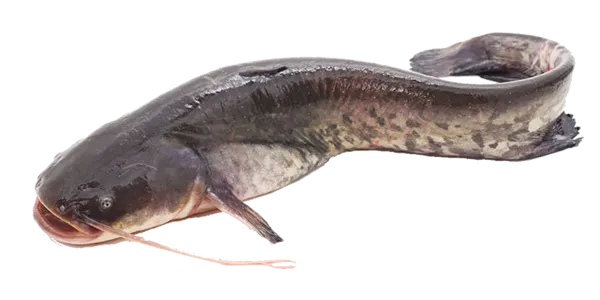
African clariid catfish (Clarias gariepinus)

Clarias Catfish

Clarias gariepinus

  • Flavor: Mild and slightly sweet, with a firm, meaty texture.
  • Nutritional Value: High in protein and low in fat, with essential vitamins and minerals.
  • Usage: Commonly grilled, fried, or used in soups and stews; popular in African and Asian cuisines.
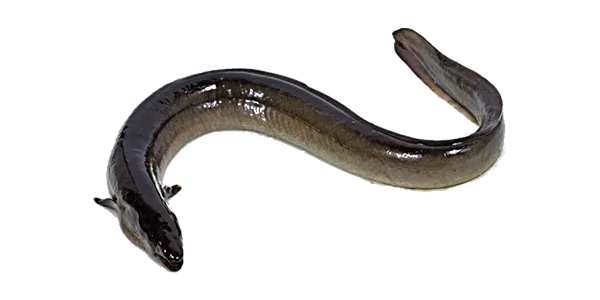
European Eel (Anguilla anguilla)

European Eel

Anguilla anguilla

  • Flavor: Rich, oily, and slightly sweet, with a tender, meaty texture.
  • Nutritional Value: High in healthy fats, especially omega-3s, and a good source of vitamins A and E.
  • Usage: Commonly smoked, grilled, or used in traditional dishes, especially in Japanese and European cuisines.

Mullet Species

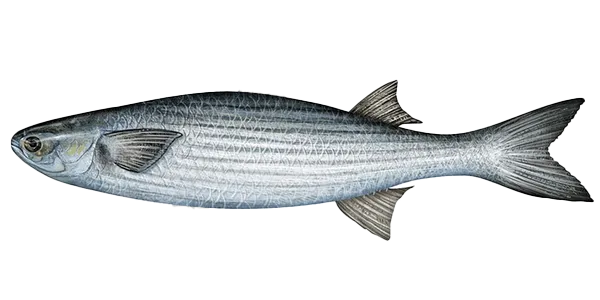
Mullet (Mugil cephalus)

Mullet

Mugil cephalus

  • Flavor: Mild, slightly nutty, and firm, with a lean texture.
  • Nutritional Value: High in protein, omega-3 fatty acids, and essential nutrients.
  • Usage: Often grilled, baked, or smoked; popular in Mediterranean and Asian cuisines.
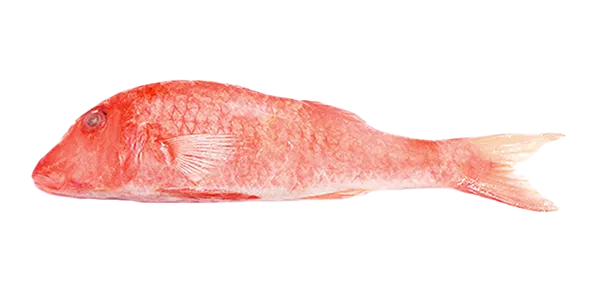
Red Mullet (Mullus surmuletus)

Red Mullet

Mullus surmuletus

  • Flavor: Delicate and slightly nutty, with a tender, flaky texture.
  • Nutritional Value: High in protein, omega-3 fatty acids, and essential vitamins like B12 and D.
  • Usage: Excellent for pan-frying, grilling, or incorporating into Mediterranean-style dishes; pairs well with citrus and herbs.

Crustaceans

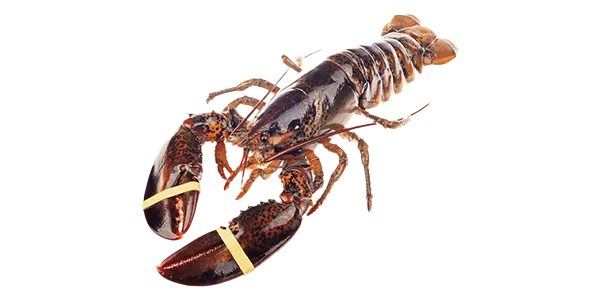
Lobster (Homarus spp.)

Lobster

Homarus spp.

  • Flavor: Rich, sweet, and succulent with firm, tender meat.
  • Nutritional Value: High in protein, low in fat, and a good source of zinc, selenium, and omega-3s.
  • Usage: Often steamed, grilled, or baked; used in gourmet dishes like lobster bisque or thermidor.
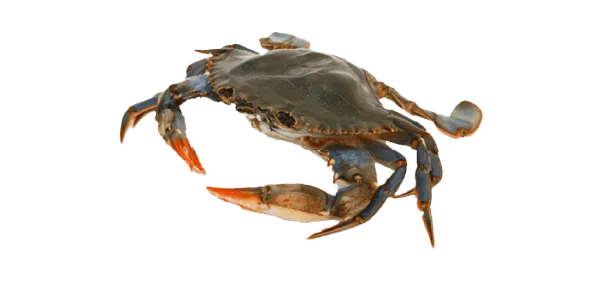
Mud Crab (Scylla spp.)

Mud Crab

Scylla spp.

  • Flavor: Sweet and delicate with a soft, flaky texture.
  • Nutritional Value: High in protein, low in calories, and a source of essential minerals.
  • Usage: Popular in Asian cuisines, often steamed, curried, or stir-fried.
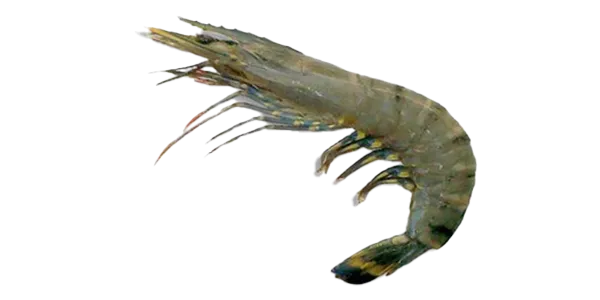
Tiger Shrimp (Penaeus monodon)

Tiger Shrimp

Penaeus monodon

  • Flavor: Mildly sweet with a firm, juicy texture.
  • Nutritional Value: High in protein and low in fat, rich in selenium and vitamin B12.
  • Usage: Suitable for grilling, frying, or steaming; widely used in seafood dishes worldwide.
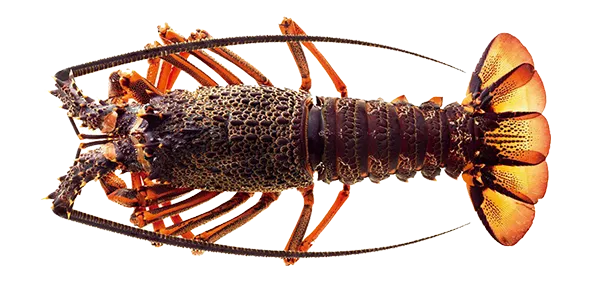
Spiny Lobster (Panulirus spp.)

Spiny Lobster

Panulirus spp.

  • Flavor: Sweet and tender, with a slightly firmer texture than regular lobster.
  • Nutritional Value: High in protein, omega-3s, and essential minerals like phosphorus and magnesium.
  • Usage: Often grilled or steamed; used in salads, soups, and gourmet seafood dishes.

What comes out of the processing plant

A farm that sells only whole fresh fish leaves most of its margin on the table. The plant is planned to cover the full range of processing, so that every part of the harvest finds a buyer.

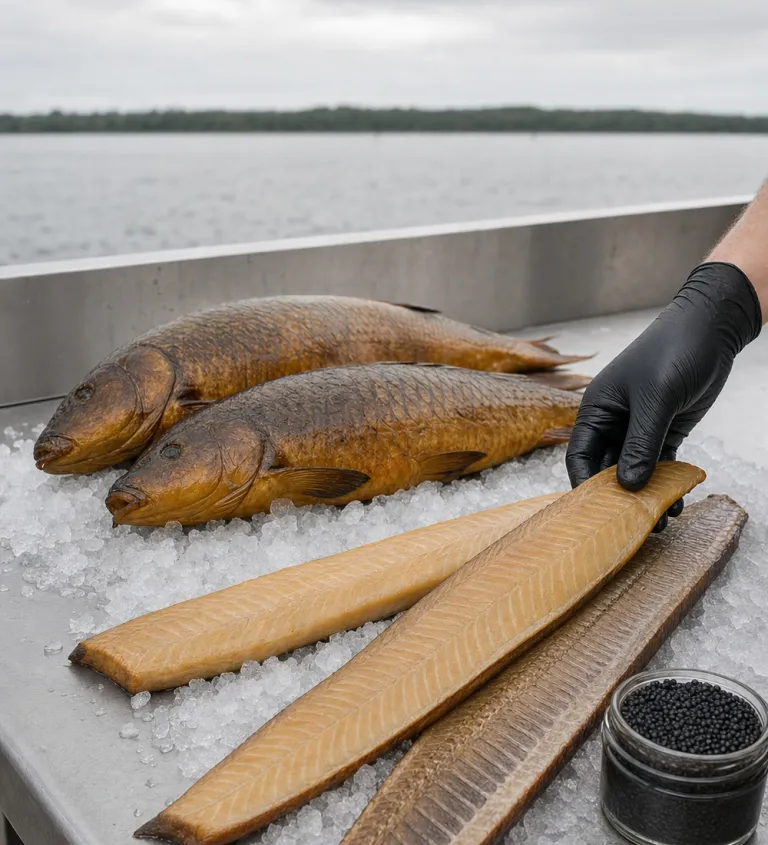
On the traditional side that means salting, pickling, drying, hot and cold smoking, canning and preserves. Trimmings go into minced products such as fish sausages and cutlets, and what is left becomes fish oil and fish meal rather than waste.

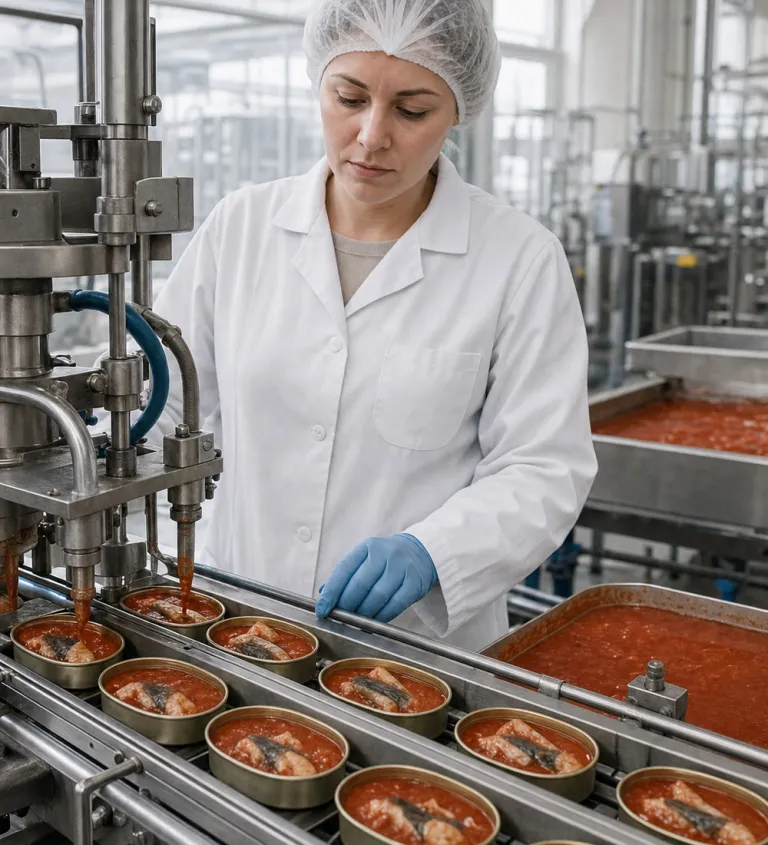
The canned range is planned in two directions. Fish in oil and in tomato sauce, close to what local kitchens already cook with. And fish canned in its own juices, for buyers who want the plain taste and nothing added.

Alongside that come fillets, hams and rolls for kitchens and caterers, and a deep-frozen line of steaks, skin-on fillets and whole gutted fish for customers who need a long shelf life.

Smoked fish and caviar on the preparation tableCanning line filling cans in tomato sauce
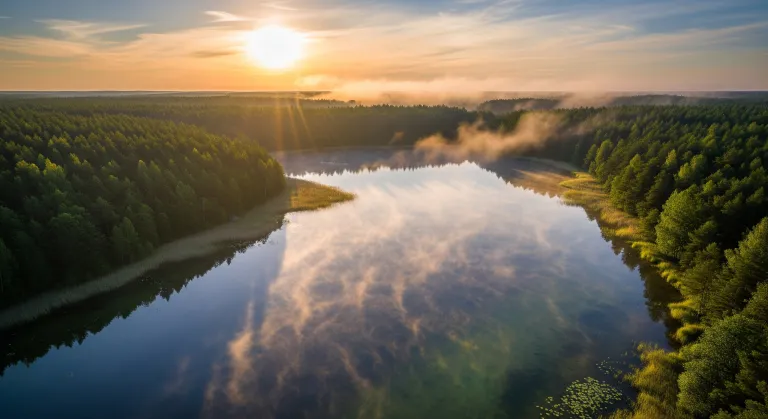
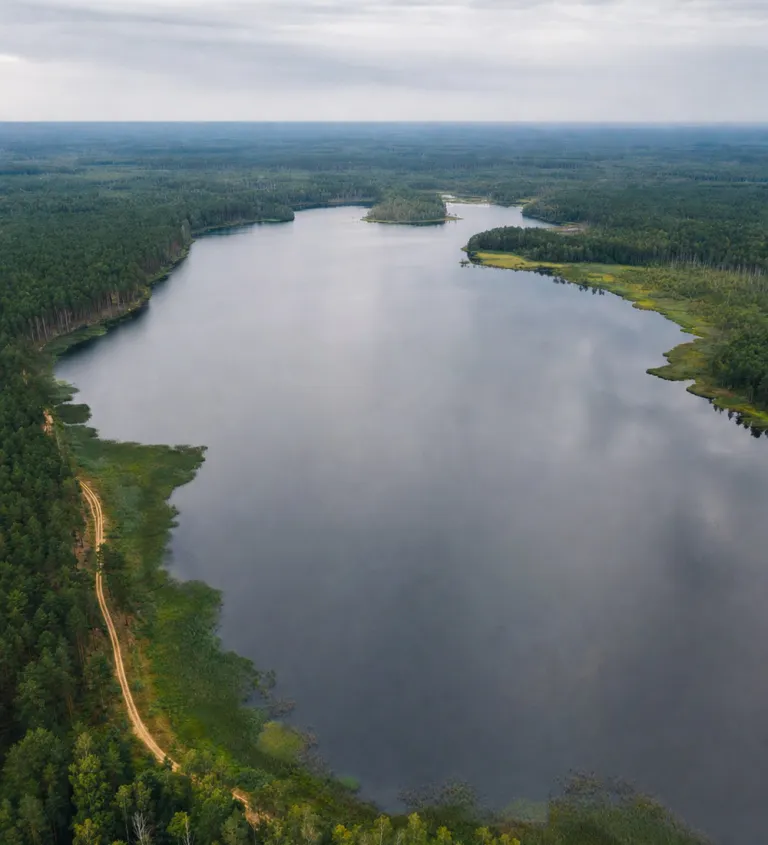
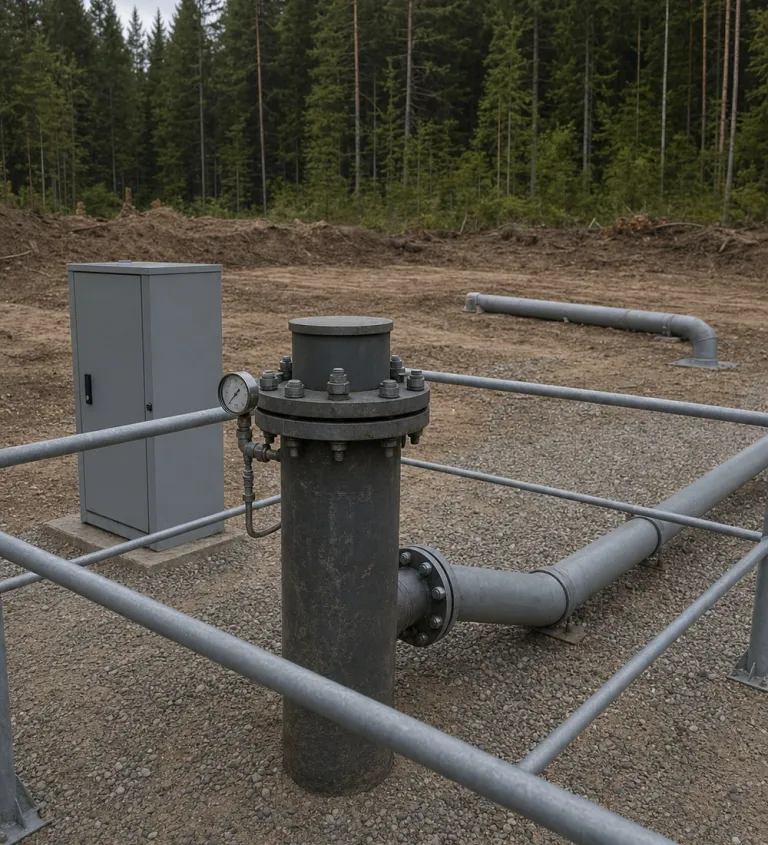
Lake and forest landscape in BelarusCapped groundwater well head on the plot at the forest edge

The location

The location was chosen for its water rather than for its address. Belarus sits on large, reliable groundwater reserves, and clean cold water is the single most expensive thing to fix if you get it wrong.

The buildings are planned as insulated modules rather than open ponds. That is what allows stable temperatures through a Belarusian winter and summer alike, keeps the stock separated from wild fish and disease, and lets the farm produce at the same rate all year instead of following the seasons.

The recirculation system is laid out as several halls, each holding a number of large tanks sized for high stocking density. Water is drawn from wells on the property and returned to the loop after treatment, so nothing is discharged into the local watercourses. Nutrients the fish do not use are intended to feed hydroponic beds instead. These are planning figures and will be confirmed as the engineering progresses.

The closed water supply

The water supply is designed as a closed circuit, built from components that are already in service at established European farms rather than from prototypes.

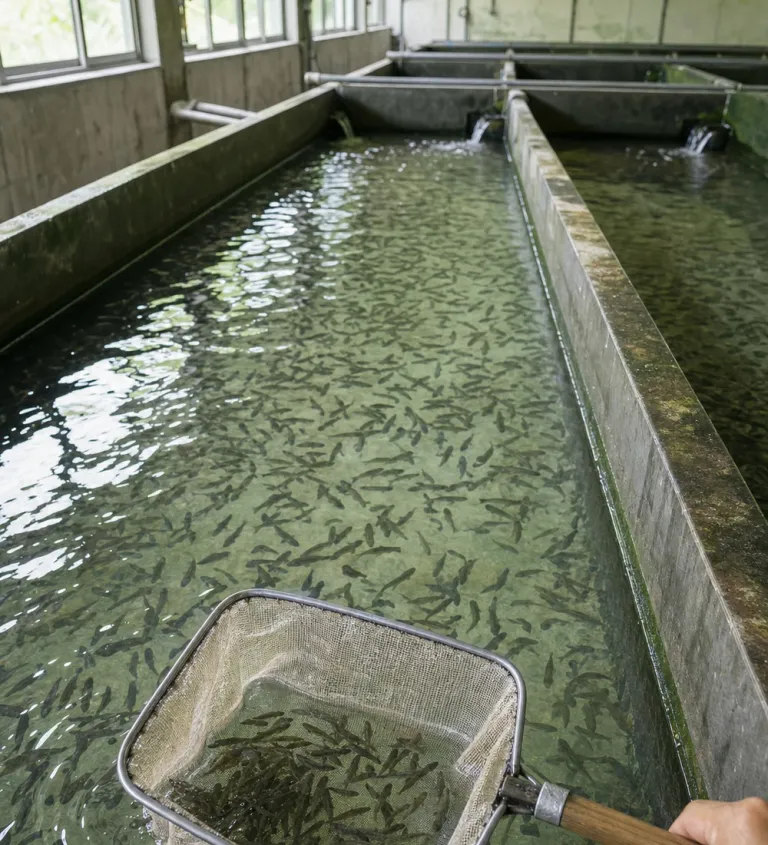
Fry are planned to arrive in four separate batches a year. Spreading the intake keeps every stage of the farm working at a steady rate, instead of the whole plant running flat out for a few months and standing half empty for the rest.

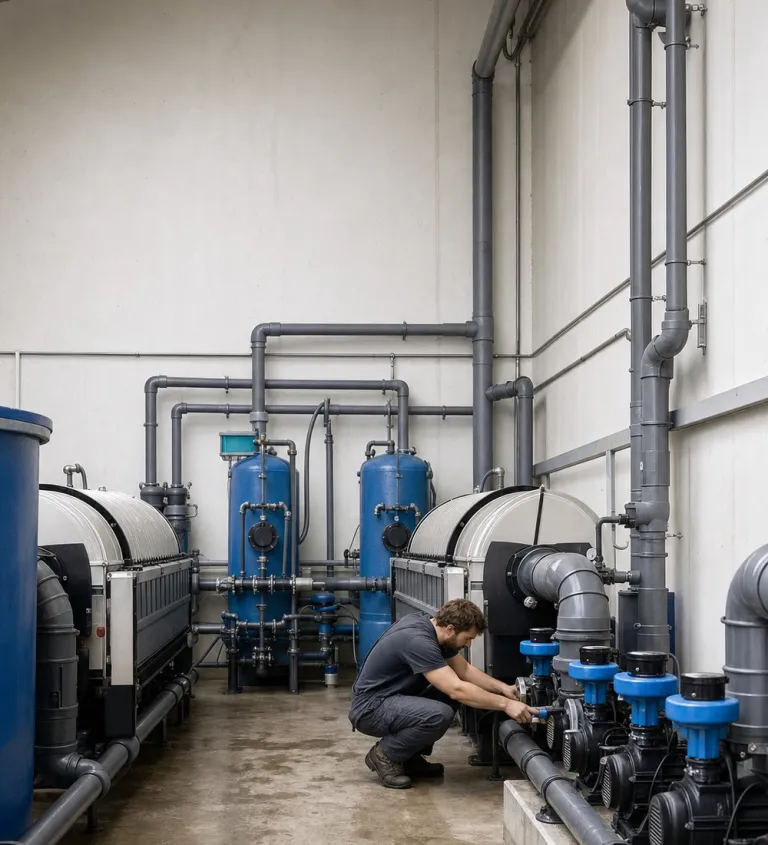
The recirculation plant itself is modular and compact, which is what makes it possible to produce a lot of fish on a small footprint and to keep producing regardless of the weather outside. In a country with real winters that is not a detail, it is the whole point.

Inside, the facility is divided into zones that do not mix: broodstock, growing, and processing, each with its own access rules and hygiene regime.

Drum filters and pumps of the recirculation systemHatchery trough with juvenile fish

Water treatment and what we are still testing

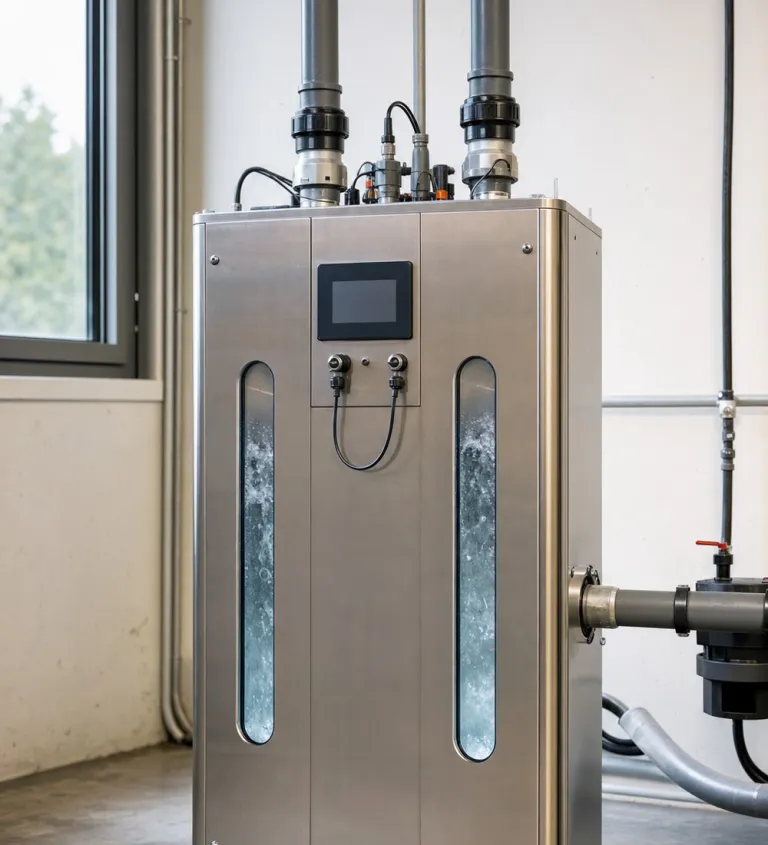
The farm draws on groundwater from its own wells, and almost all of it is recycled inside the closed loop. The working design uses the treatment stages that are standard in the industry: mechanical filtration, biological removal of ammonia and nitrite, degassing, and disinfection without chlorine or comparable chemicals.

Alongside that, we are testing a resonance-based purification method that is intended to cut the energy needed for the treatment stage. It is a promising line of work, and it is not yet proven at production scale. We will describe it here in detail once we have measured results from our own plant. Until then, the conventional treatment train remains the basis of the design, and nothing in the production plan depends on the new method working.

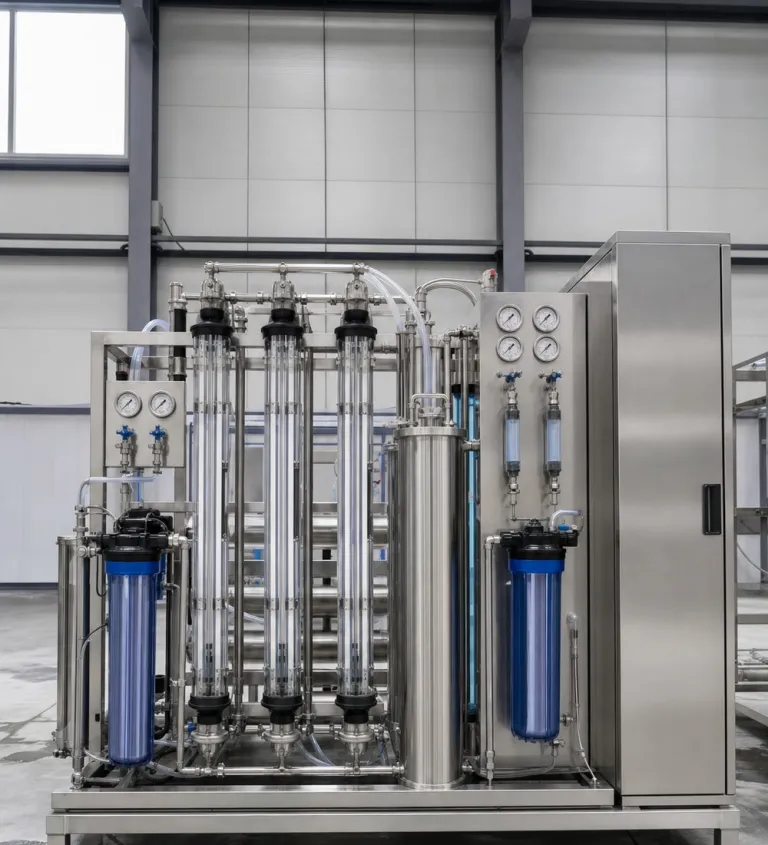
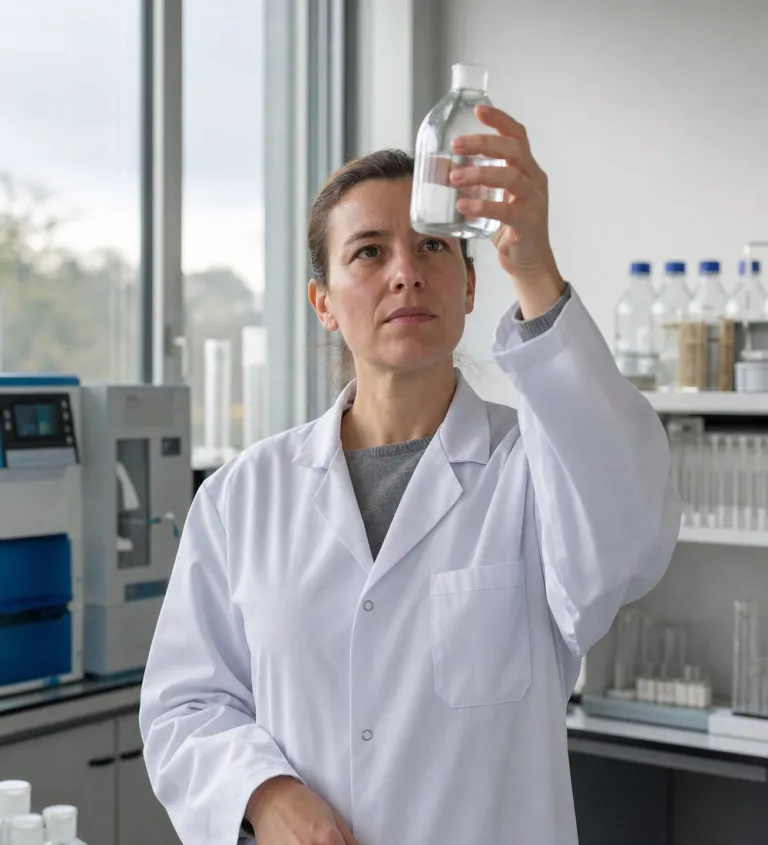
Water treatment skid with UV reactorsWater sample check in the laboratory
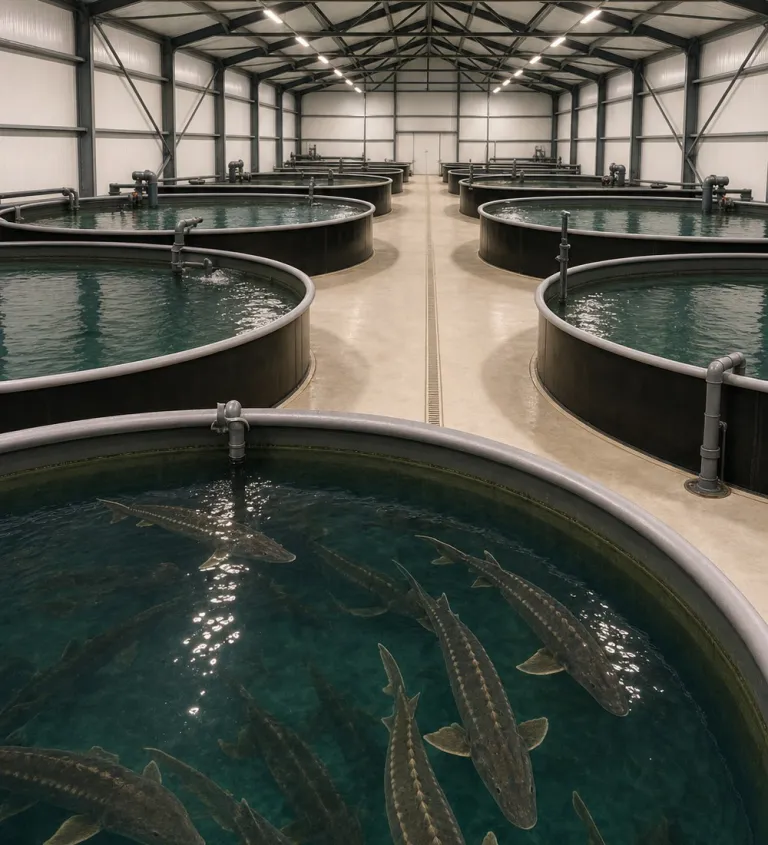
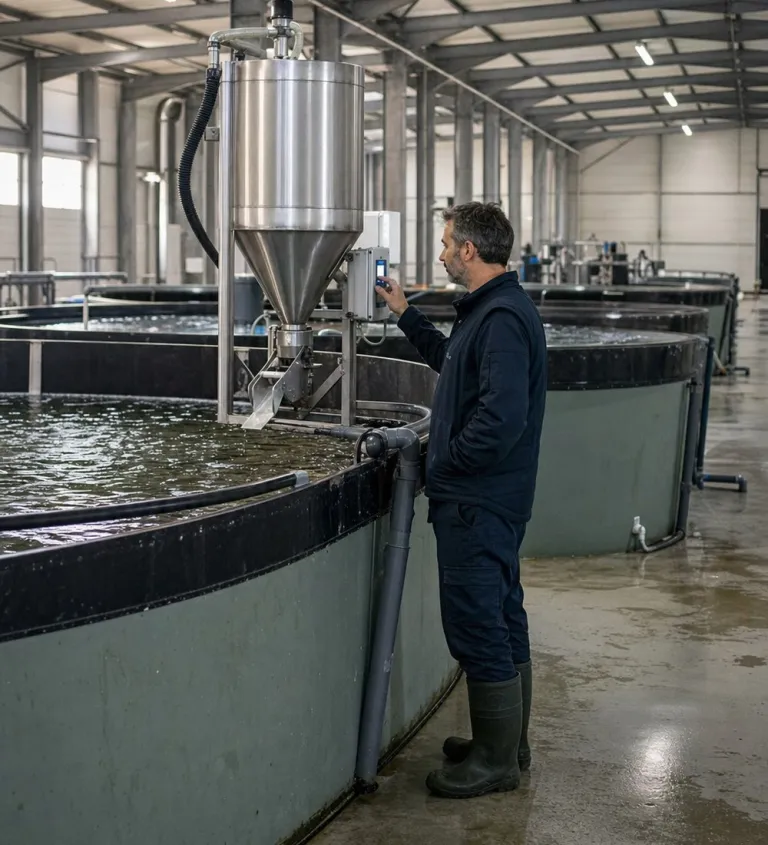
Circular grow-out tanks with sturgeon inside the enclosed production hallOperator checking the feed system inside the production hall

Why we build on land

A recirculating system costs more to build than a pond and more to run than a net pen. It earns that back in four ways.

Fish grow faster because temperature, oxygen and water chemistry stay where they should be instead of following the weather, which in this climate is the difference between a summer season and a full year. The same control allows high stocking densities; the design figure for sturgeon in the grow-out stage is up to 70 kg per cubic metre, and the final figure will follow from our own trials. Output is predictable, which matters when a retail chain wants the same quantity every week. And the farm uses a fraction of the water, land and energy an open system needs for the same tonnage.

There is a fifth reason that is harder to price. A closed system does not release nutrients, medication or escaped fish into the surrounding water, which is what makes it possible to build next to a lake district at all.

Growing plants on the same water

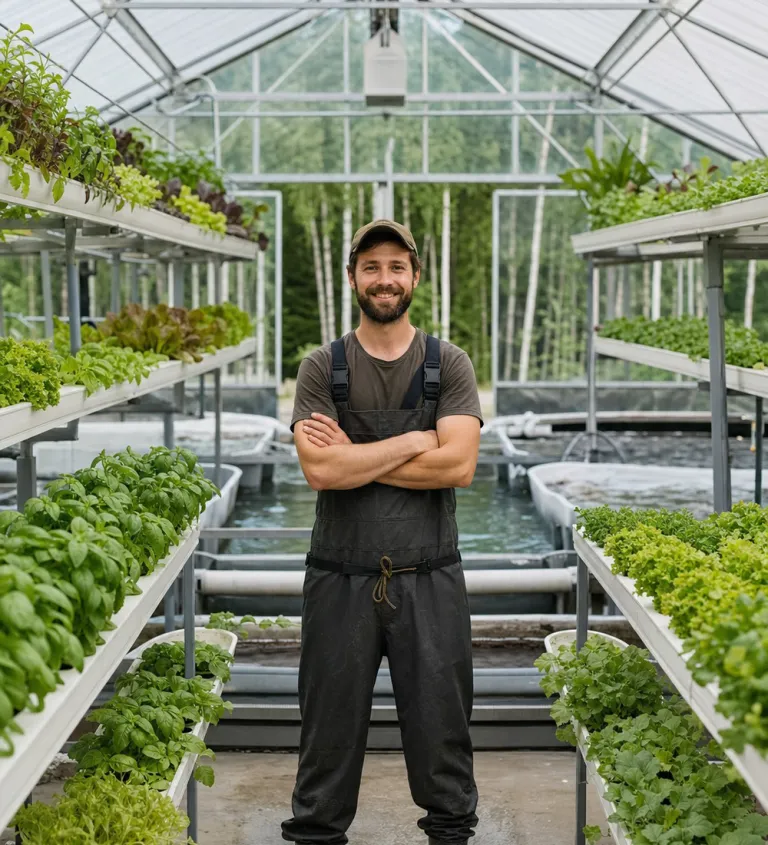
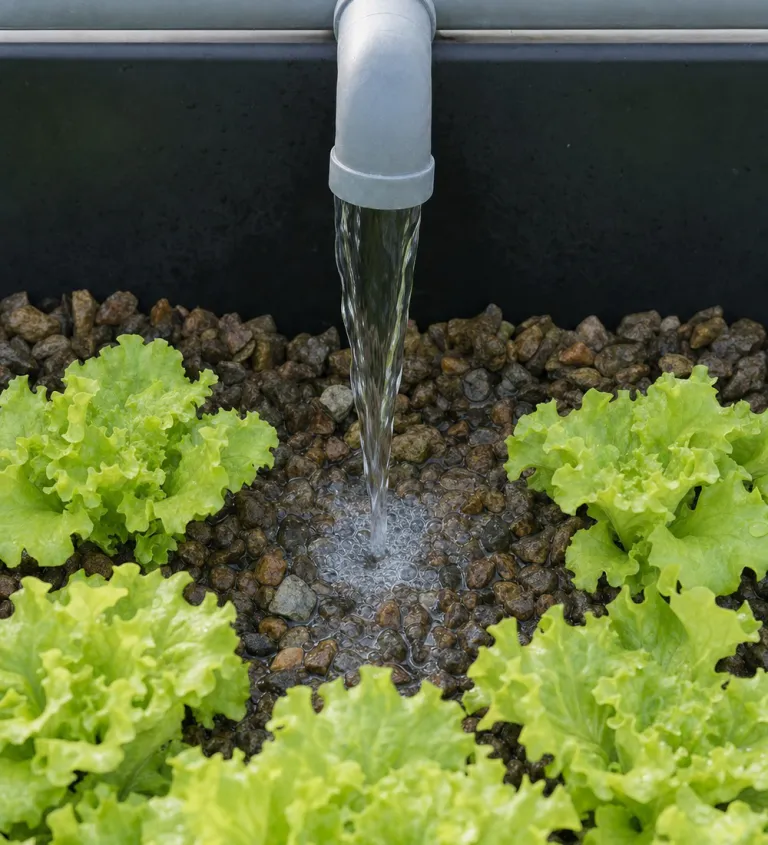
Fish waste is a problem in one system and a fertiliser in another. Water leaving the tanks carries the nitrogen and phosphorus that plants need, so it goes into hydroponic beds instead of into a treatment plant. The plants take up the nutrients, the water comes back cleaner, and the same volume does two jobs.

What grows there is planned as salad, herbs and the usual greenhouse vegetables, crops with a short cycle and a local market. In a country where fresh greens are expensive for half the year, a heated house next to a heat source is worth more than it looks on paper.

Greenhouse with hydroponic channelsNutrient water feeding the plant beds
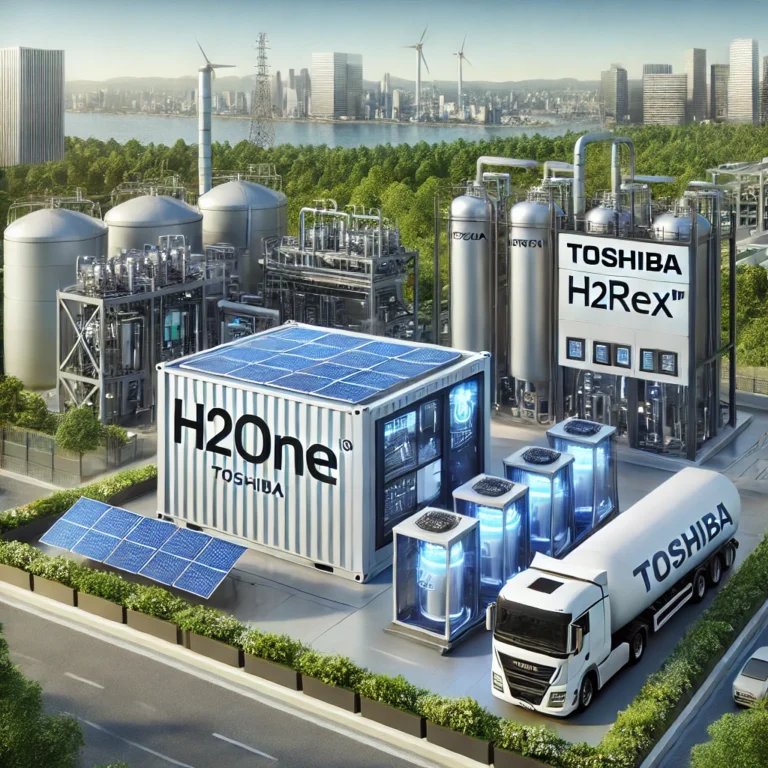
Illustration of a hydrogen energy system with storage containers and a tanker truckToshiba H2One hydrogen energy unit

HYDROGEN ENERGY TECHNOLOGY.

Toshiba H2One™: Pioneering Sustainable Hydrogen Solutions for Energy Demands

Toshiba Energy Systems & Solutions Corporation (Toshiba ESS) has introduced the H2One™, an autonomous hydrogen energy supply system, to support SP Group’s research efforts in Singapore. Designed to address the challenges of limited land and growing energy demands, H2One™ integrates renewable energy sources to electrolyze water, producing hydrogen for CO2-free electricity and hot water generation.

Compact and versatile, the 20-ft container system features metal hydride storage, making it ideal for Singapore's constrained spaces. H2One™ has been operational in Japan since 2015, aiding electricity operators in managing demand fluctuations and optimizing energy management operations.

SP Group, Singapore’s national power grid operator, is conducting feasibility studies on H2One™ under local grid conditions, exploring green hydrogen as a viable energy solution. These studies aim to support Singapore’s goals for sustainable energy integration.

Toshiba ESS, with expertise in hydrogen technologies, envisions expanding its H2One™ solutions globally, fostering the adoption of clean hydrogen to transform energy networks.

ECOMAR is evaluating hydrogen-based generation and storage as part of the energy concept for its facilities, in dialogue with Toshiba Energy Systems & Solutions. The configuration, the share of demand it would cover and the role of a grid connection as a fallback will follow from the engineering study.

Water treatment, feed and preservation under trial

Part of the process technology in the plan comes from work by Prof. Khachatryan on hydrogen-based water and feed treatment. We hold access to these methods and intend to use them, and it is only fair to say plainly which results come from laboratory and pilot work and still have to be confirmed at our own scale.

The first method treats and activates the water used in the hatchery. In trials it produced noticeably faster growth in fry and better survival than the sixty to seventy percent that is normal in conventional hatchery practice. The reported factor is between one and a half and two times the usual growth rate. We will publish our own figures once we have a full production cycle behind us.
The second is a feed additive that releases hydride ions in water. The reported effects are better weight gain on feed with less protein and fat, higher egg production and a more robust immune system. Again, trial results, not yet ours.

The third concerns processing rather than farming. Fish meat is treated in an electrochemically activated mineral solution, which disinfects it and extends shelf life without chemical preservatives. Caviar is treated in the same solution and seasoned with a hydrogen-based salt, reported to improve keeping quality and flavour. Whether we adopt this across the range depends on our own testing and on the applicable food law.

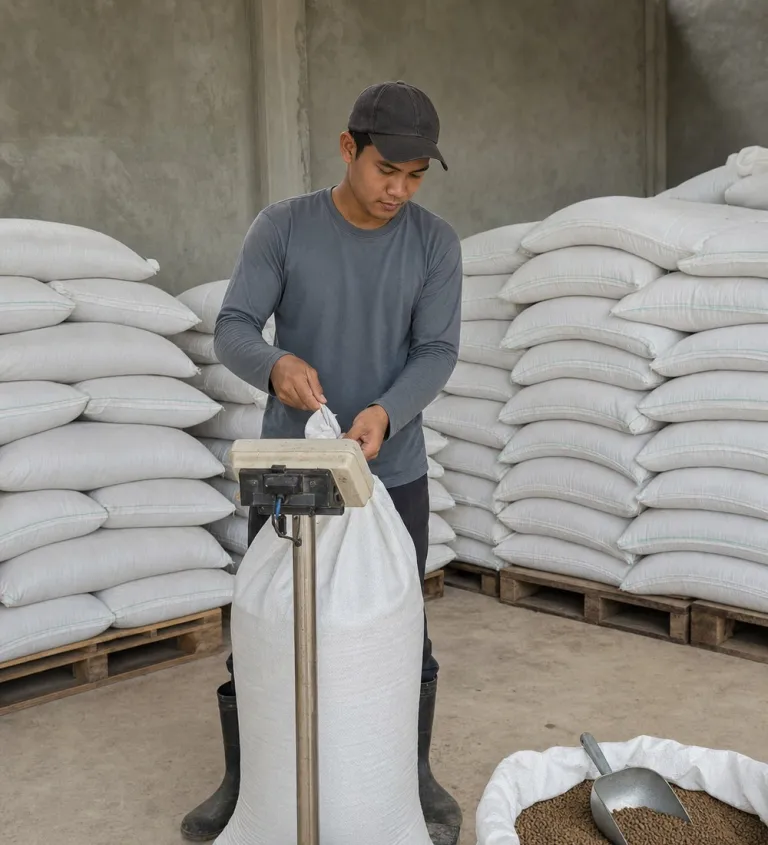
Water conditioning unitFeed store with extruded pellets
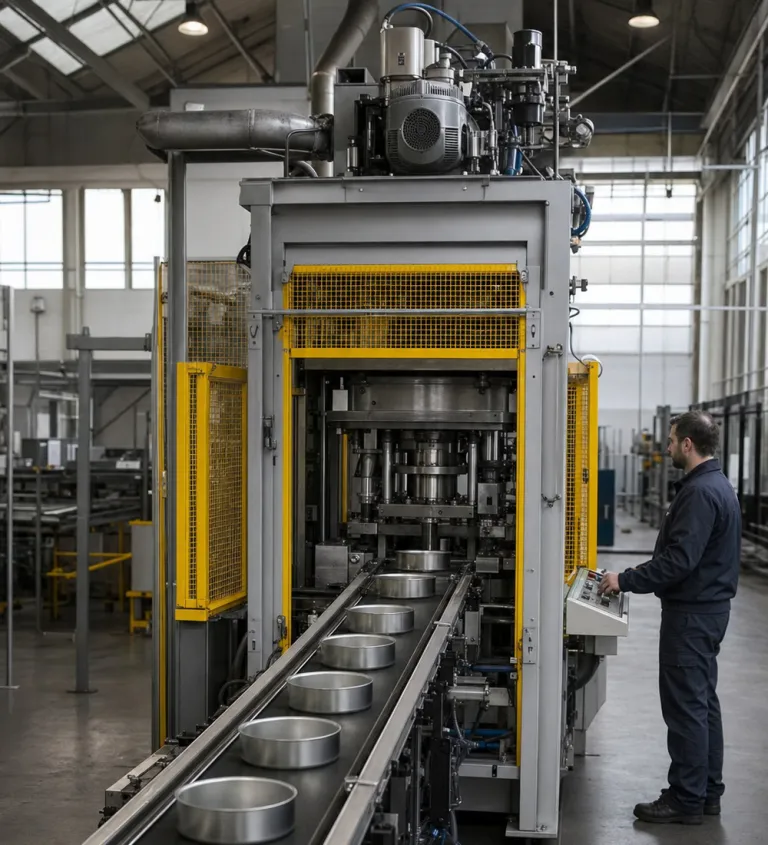
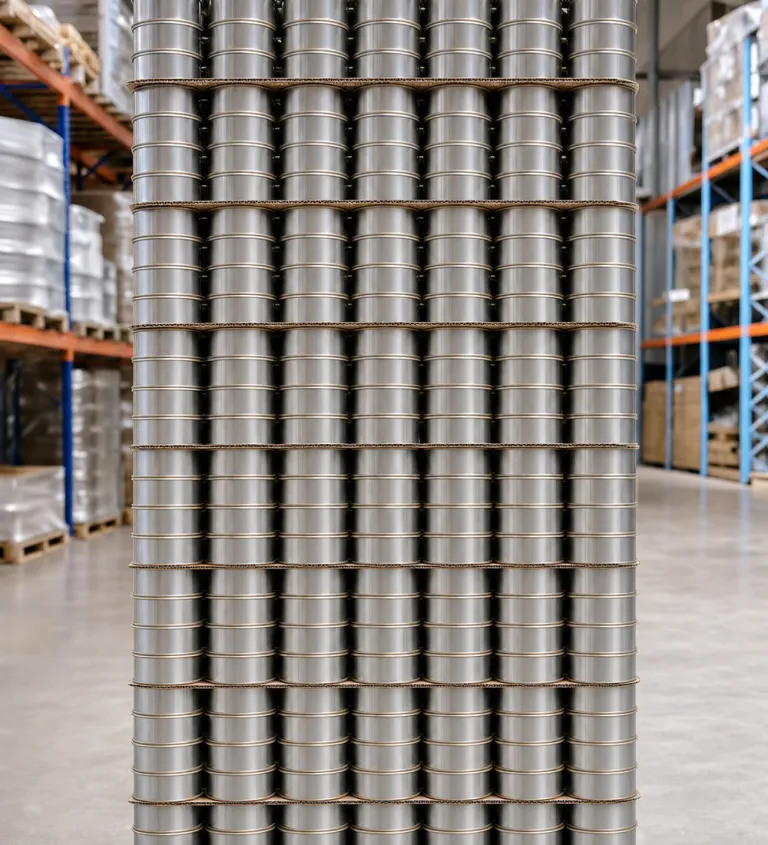
Can production lineStacked empty fish cans

We make our own cans

Cans are a bigger cost item in fish processing than most people expect, and buying them in means paying someone else's margin on every unit sold. The plan is to produce them at the farm on Alfons Haar equipment.

The format is a two-piece drawn and redrawn can in 0.14 mm DR8 material, among the thinnest on the market. Thinner walls mean roughly a fifth less steel per can, and the equipment supplier puts the annual saving per line in the seven-figure range. That figure comes from the supplier and assumes a line running at full capacity, so treat it as an upper bound until our own line has run for a year.

Sidewall and base geometry are designed to keep the can rigid despite the thinner material.

Keeping an eye on the grounds

An area of this size at the edge of a forest is difficult to watch from the ground. Fences and cameras cover the perimeter, but not the roofs, the well heads or the parts of the plot still under construction.

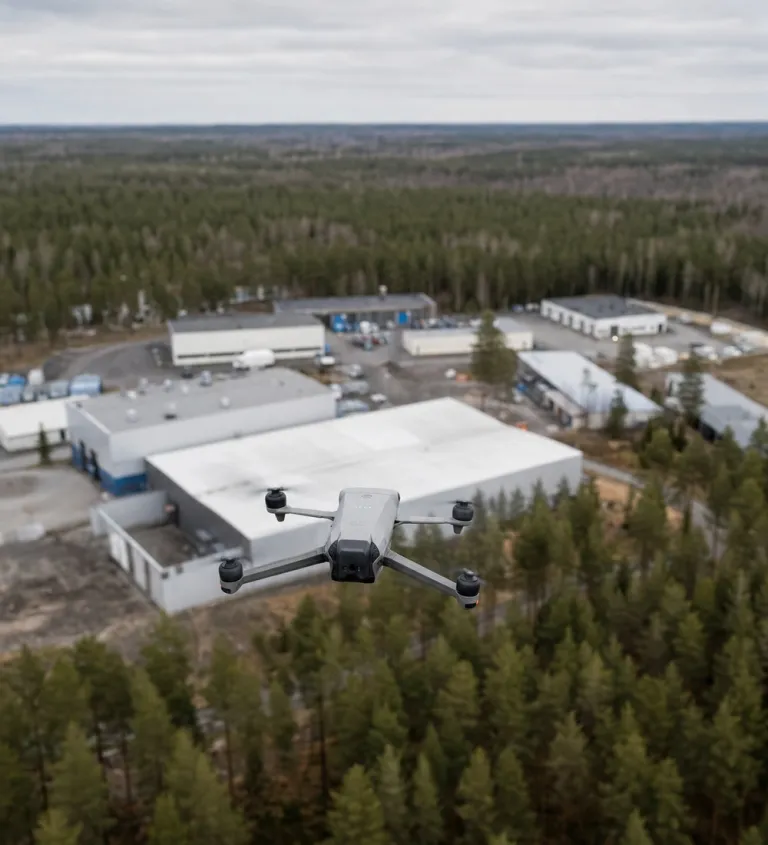
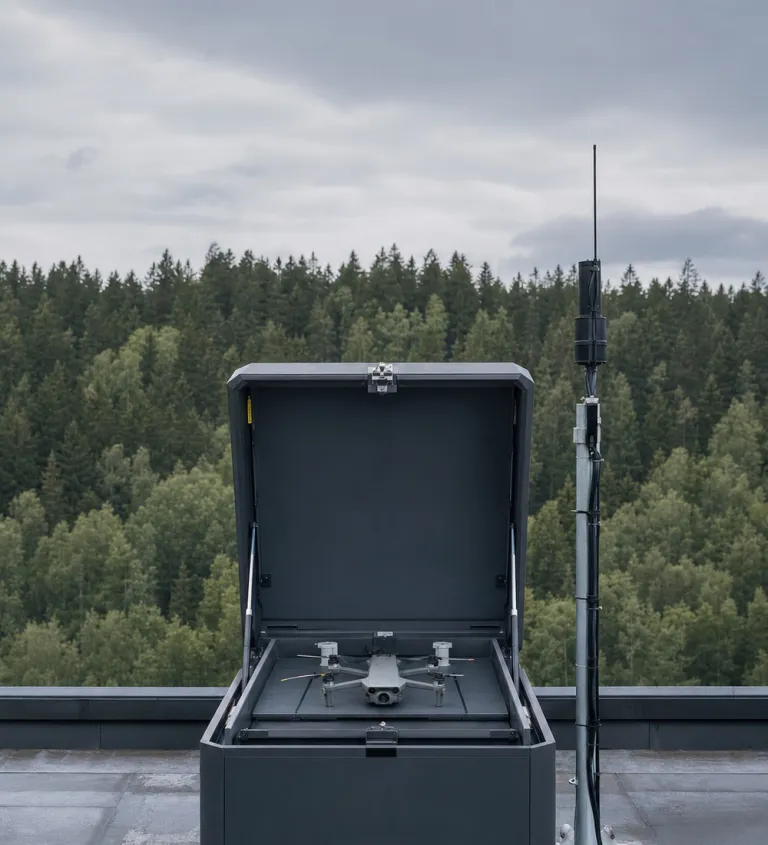
That is the job we intend to give to drones. A patrol drone flies a fixed route on a schedule, day and night, and does not get tired or distracted. It is not a replacement for the people on the ground. It is what lets a small team keep watch over a large area.

The system we are looking at works as a pair. The drone itself is light, flies its route without a pilot, records video, and lands and charges on its own. The base station houses it, charges it and processes what its sensors bring back, so a person only has to look at the exceptions rather than at hours of footage.

Security drone above the groundsDrone docking station on the roof

What happens in the first years

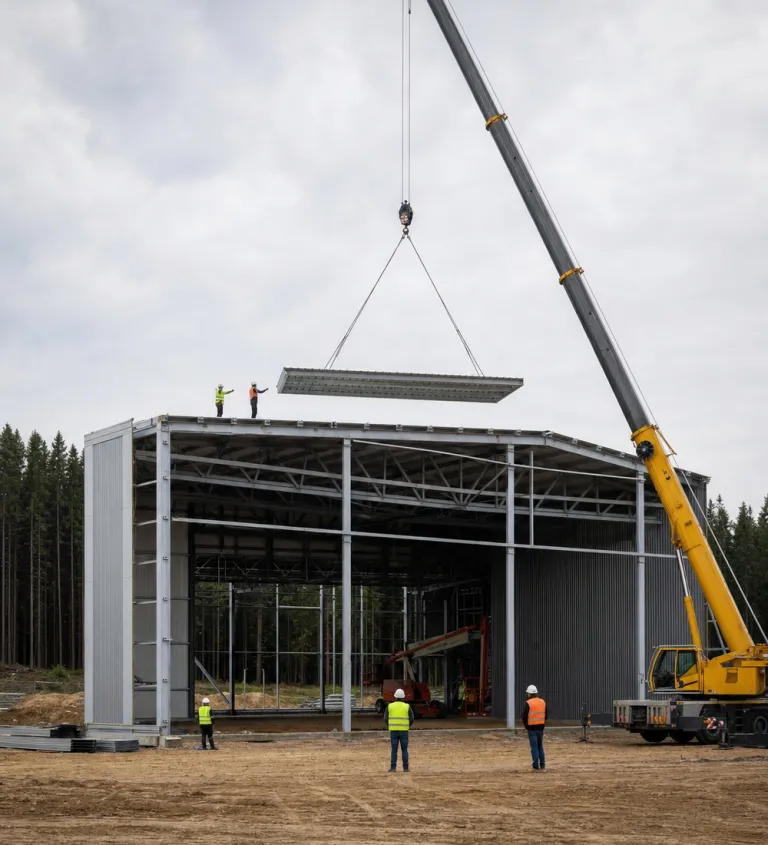
The first phase goes into building. The facility has to be finished and the first production cycles started, and in parallel we need a distribution network in the country itself, with the large retail chains.

After that the plan is to take the farm to full capacity and to move up the value chain. That means branded products rather than raw fish: smoked, canned and ready to eat for the domestic market, and the high-value lines, sturgeon and caviar above all, for export.

The last stage is about reaching customers directly and about the next species. How fast that goes will follow from what the farm actually produces, not from a timetable written before the first fish is in the tank.

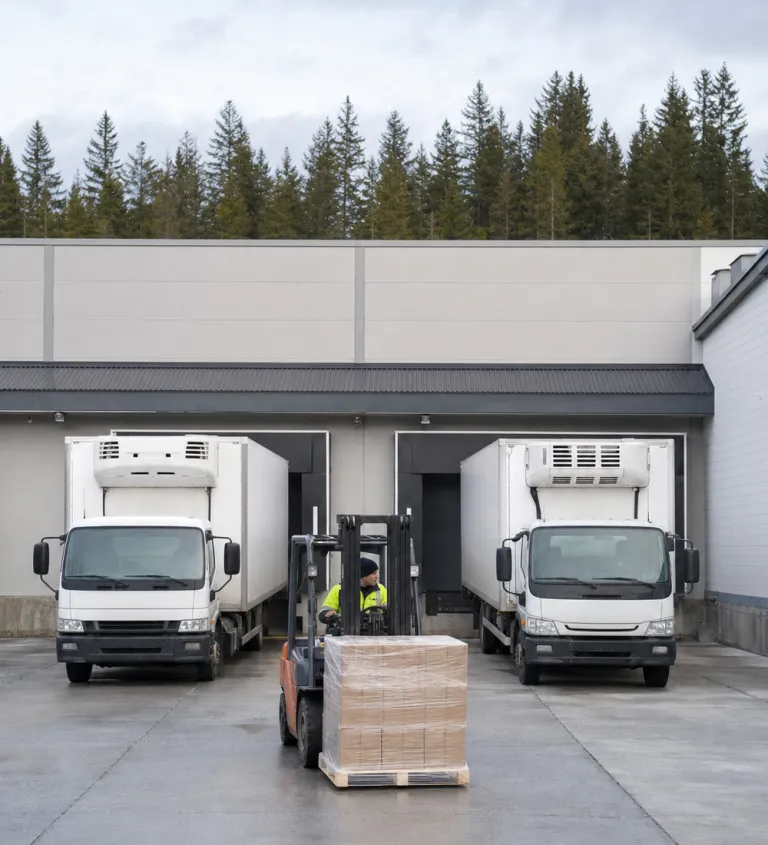
Construction of the production hallRefrigerated trucks at the dispatch docks

Become Part of ECOMAR's Global Community.

ECOMAR is building a land-based fish farm in Belarus, and we are open about the fact that it is still a project rather than a running plant. If that interests you, talk to us early rather than late.

Buyers get a straight answer on what we can deliver and when. Investors get the current documentation together with the assumptions behind it, so the figures can be judged rather than believed. And anyone who simply wants to understand how a closed system works is welcome to ask.